


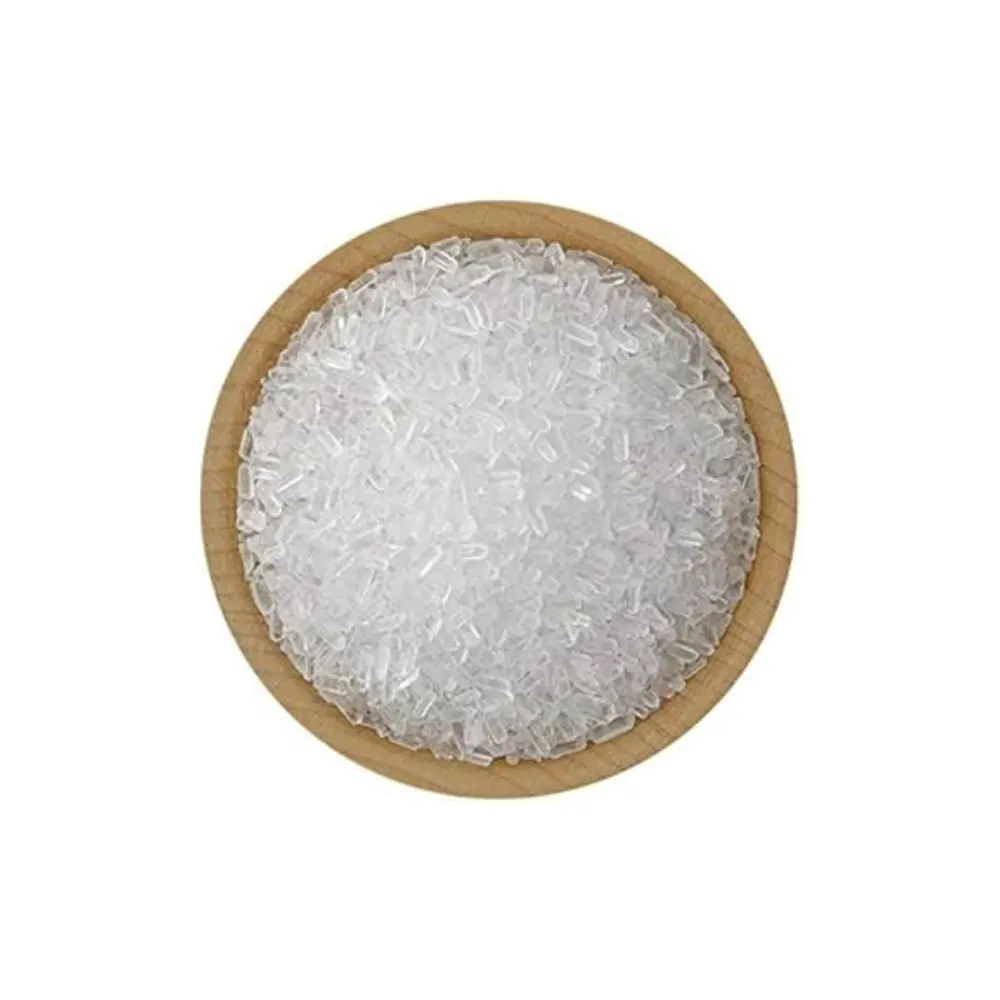


Aquarium Treated EPSOM Salt:
Epsom salt is magnesium sulfate (MgSO₄·7H₂O), a naturally occurring mineral compound. It does not contain sodium chloride (table salt), making it suitable for certain freshwater aquarium treatments.
Uses in Aquariums
1. Treatment for Fish Constipation & Bloating
Epsom salt can help draw fluids out of the fish’s body, reducing swelling from bloating or dropsy.
Dosage: 1–3 teaspoons per 5 gallons (19 liters) of water.
Application: Add to a quarantine or hospital tank, not the main tank.
2. Water Hardness Adjustment
Magnesium is an important component of general hardness (GH).
Epsom salt can be added to increase GH, especially in soft water setups.
Useful for: Livebearers (e.g., guppies, mollies), African cichlids, and other hardwater species.
3. Muscle Relaxant for Stressed Fish
Magnesium sulfate can help relax fish muscles, relieving stress.
Important Considerations
Not a cure-all: Only use Epsom salt when there’s a clear reason.
Quarantine tank preferred: It’s best to treat sick fish separately.
Avoid overdose: Too much can stress or kill fish.
Magnesium affects water chemistry: Regular testing of GH and pH is advised.
How to Use Safely
Dissolve First: Always dissolve the salt in aquarium water before adding it to the tank.
Partial Water Changes: After treatment, perform partial water changes to remove excess magnesium.
Monitor Fish Behavior: Signs of distress may indicate an overdose.
Compatibility Notes
Safe for most freshwater fish when used correctly.
Not typically used in saltwater tanks — marine salt mixes already contain magnesium.
Avoid with softwater or acidic tank species (e.g., some tetras, discus) unless adjusting GH carefully.


Reviews
Clear filtersThere are no reviews yet.